Grafitty: The Handwritten Font for Your Next Project
When you need to inject a dose of authenticity and warmth into a design, the right typeface is everything. You’ve likely seen it—the elegant scrawl on a wedding invitation that feels personal, the confident script on a coffee shop menu that feels welcoming, the dynamic lettering on a social media post that stops the scroll. This is the power of a well-crafted handwritten font, and Grafitty is a prime example of a premium font designed to deliver exactly that feeling.
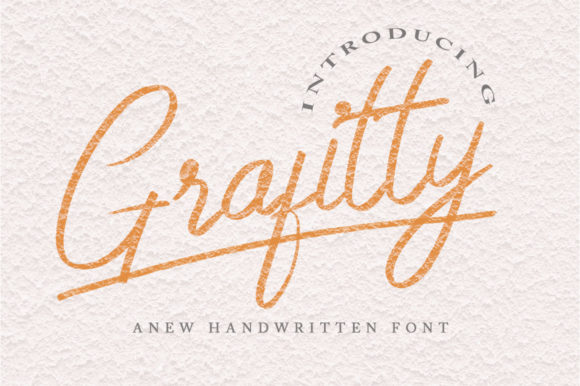
Grafitty isn't just another script. It’s an enchanting, versatile tool that bridges the gap between casual expression and polished design. Its characters flow with a natural, rhythmic cadence, avoiding the overly rigid or the sloppily informal. The letterforms feature subtle variations in stroke weight and gentle connections, mimicking the organic imperfections of real penmanship. This gives it a romantic, approachable personality that feels both timeless and contemporary. Whether you’re crafting a brand identity or personalizing a project, Grafitty offers that sought-after human touch that digital precision often lacks.
Where Grafitty Truly Shines: Real-World Applications
Understanding a font’s strengths is key to using it effectively. Grafitty’s charm lies in its adaptability across a wide spectrum of projects. Let’s break down where it can make the most impact.
For branding and logo design, Grafitty excels as a display element. It’s perfect for creating a distinctive wordmark or a brand name that needs to feel personal and artisanal. Think boutique bakeries, handmade jewelry lines, lifestyle blogs, or independent coffee roasters. Paired with a clean sans serif font for body text, it builds a brand identity that feels both professional and deeply human.
In editorial design and publishing, it’s a secret weapon for visual hierarchy. Use it for pull quotes, chapter titles, or magazine headers to break the monotony of long-form text and draw the reader’s eye. For packaging design, it can elevate a product’s perceived value, suggesting care and craftsmanship on labels for everything from artisanal foods to skincare products.
The digital realm is where Grafitty’s versatility truly comes alive. It’s a standout choice for web design hero sections, call-to-action buttons, and special announcement banners. On social media graphics, it adds instant personality to Instagram stories, quote tiles, and promotional posts, boosting audience engagement with its friendly vibe. It’s also a fantastic creative font for digital invitations, e-book covers, and online course materials.
Integrating Grafitty with Purpose and Strategy
Simply liking a font isn’t enough; strategic application is what separates good design from great. Using Grafitty effectively means considering its role in your project’s overall message.
First, consider readability. As a script font, Grafitty is designed for impact, not for setting long paragraphs. Its primary role is as a display font—for headlines, titles, and short, emphatic phrases. For body copy, always pair it with a highly legible serif font or sans serif font. This contrast not only ensures clarity but also strengthens your visual hierarchy, guiding the viewer’s journey through the content.
Next, think about font pairing. Grafitty’s romantic, flowing style pairs beautifully with simple, geometric sans serifs for a modern, balanced look. For a more classic or editorial feel, try it with a refined old-style serif. The key is to let Grafitty be the star of the show in headlines while its partner handles the supporting text with quiet efficiency.
When evaluating Grafitty for a client or your own business, test it in context. Mock up a business card, a website header, or a social media post. Does it align with the project’s tone? Does it enhance professionalism or detract from it? For a tech startup, it might be too casual. For a wedding planner, it’s likely a perfect match. This evaluation step is crucial for ensuring the font contributes positively to brand perception.
Finally, always check the licensing. Grafitty is a commercial font, meaning its use for business purposes—logos, products for sale, client work—requires the appropriate license. This is a standard practice in modern typography and protects both you and the font designer. Reviewing the included styles (like bold or italic versions, if available) and the specific license terms ensures you have the right design assets for your needs, from personal crafts to large-scale commercial campaigns.
In the end, Grafitty is more than just a collection of letters. It’s a tool for storytelling. Its enchanting, handwritten character can transform a mundane message into a memorable experience, adding a layer of romance and authenticity that resonates with audiences. By applying it thoughtfully and strategically, you leverage its full potential to create designs that feel personal, polished, and powerfully engaging.